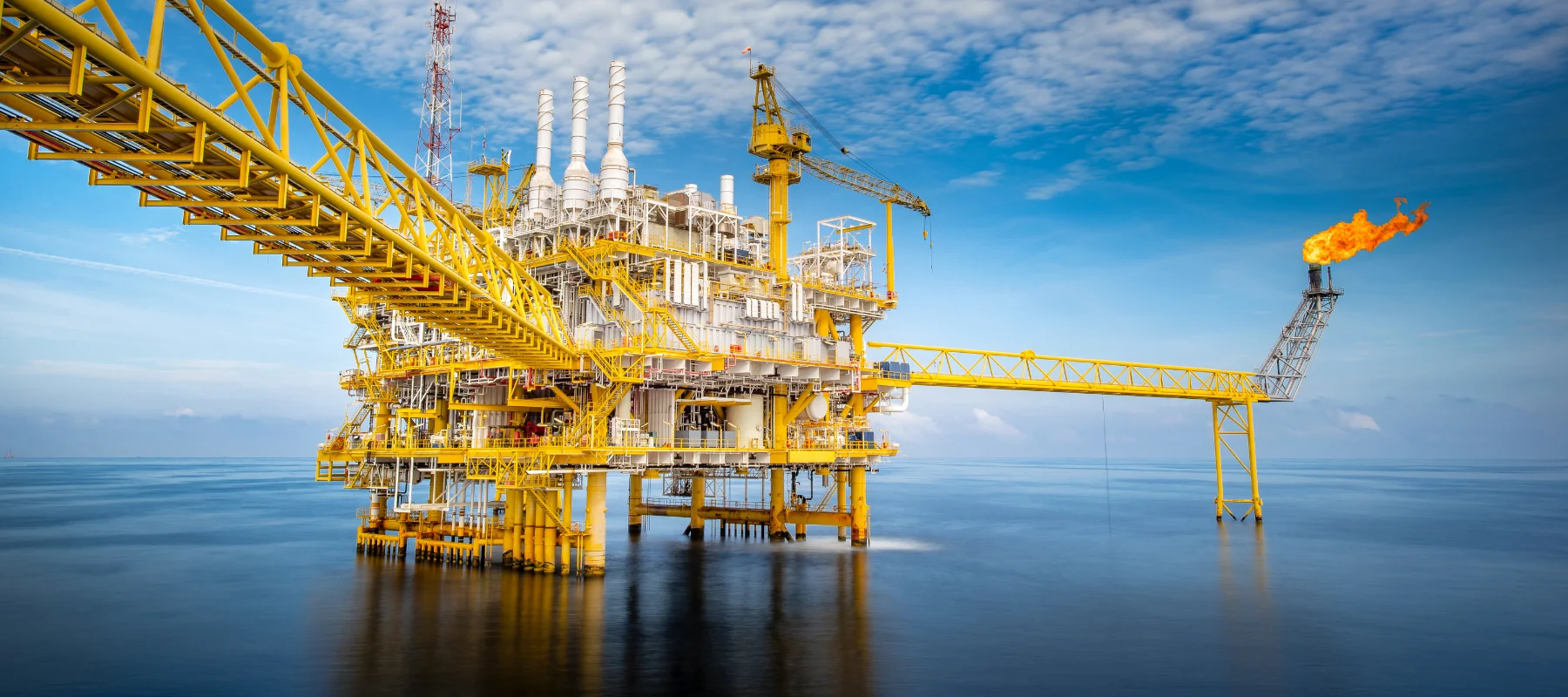
The oil and gas industry offers exciting career opportunities for engineers, technicians, and professionals who are ready to work in a dynamic and technically advanced environment. However, success in this sector requires more than just academic qualifications. Professionals must develop a combination of technical knowledge, practical skills, and problem-solving abilities to thrive in the demanding world of energy production and operations.
Technical Knowledge and Expertise
A strong technical foundation is essential for anyone working in the petroleum sector. Professionals must understand the core principles of petroleum engineering, mechanical systems, electrical systems, and operational processes. Technical expertise allows workers to handle equipment, analyze systems, and ensure efficient operations across various stages of oil and gas production.
Strong Safety Awareness
Safety is a top priority in the oil and gas industry. Professionals must be well-trained in safety procedures, hazard identification, and risk management. Understanding safety standards and applying them consistently helps prevent accidents, protects workers, and ensures smooth operations across industrial facilities.
Problem-Solving and Analytical Skills
The petroleum industry often presents complex challenges that require quick thinking and effective solutions. Engineers and technicians must be able to analyze situations, identify potential issues, and implement practical solutions to maintain operational efficiency. Strong analytical skills play a crucial role in improving productivity and preventing costly disruptions.
Communication and Teamwork
Oil and gas projects involve collaboration between multiple departments and professionals. Engineers, technicians, project managers, and safety officers must work together to ensure successful operations. Clear communication and strong teamwork help maintain coordination and improve overall project performance.
Continuous Learning and Professional Development
The energy industry is constantly evolving with new technologies, processes, and safety standards. Professionals who commit to continuous learning remain competitive and better prepared to adapt to industry changes. Training programs and skill development opportunities help individuals stay updated with modern practices and improve their long-term career prospects.
Conclusion
Building a successful career in the oil and gas industry requires dedication, technical expertise, and a commitment to continuous improvement. By developing the right skills and staying updated with industry developments, professionals can contribute to efficient operations and achieve long-term success in one of the world’s most important industries.