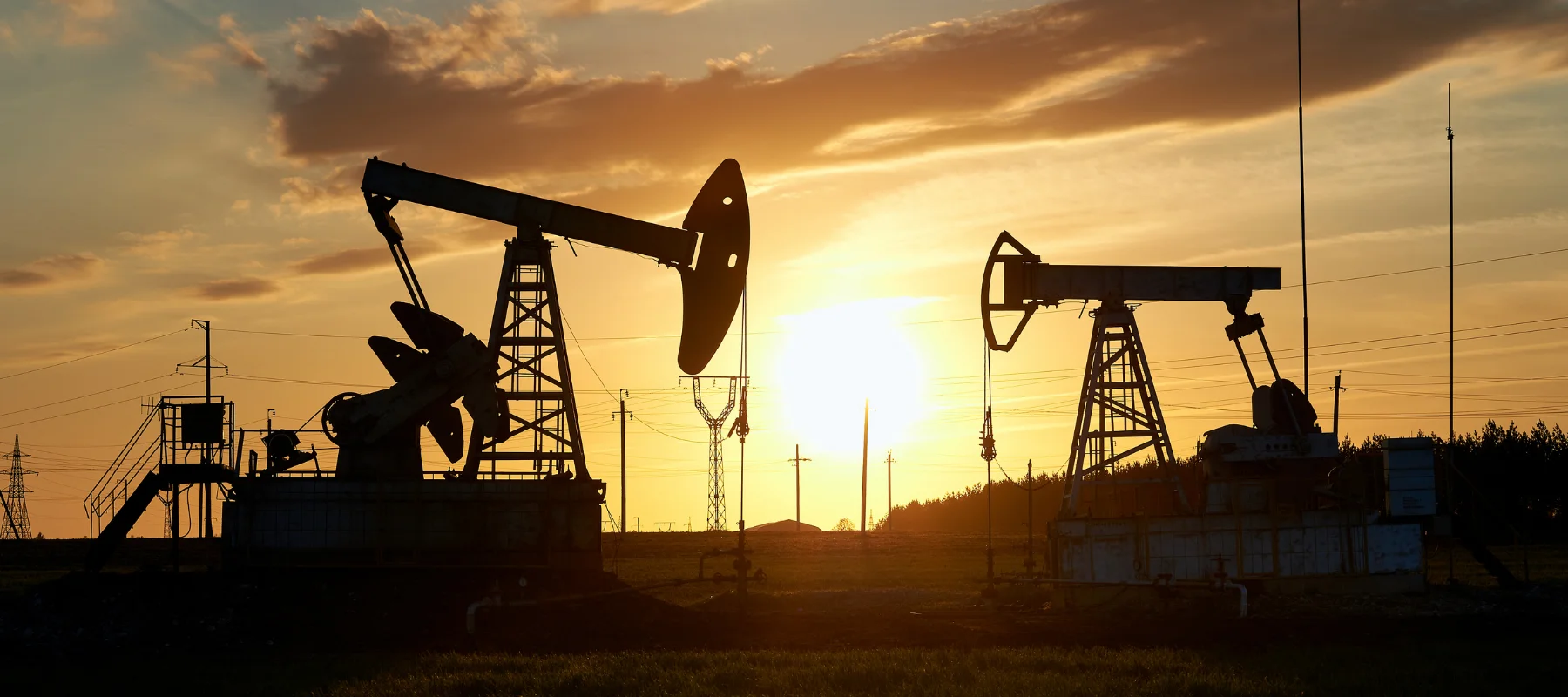
The oil and gas industry operates in environments where safety is critical. From drilling sites to refineries and offshore platforms, professionals work with heavy machinery, high-pressure systems, and potentially hazardous materials. Because of these conditions, proper safety training is essential to protect workers, maintain operational efficiency, and ensure compliance with industry regulations.
Understanding Workplace Hazards
Oil and gas operations involve a variety of risks including equipment failures, fire hazards, chemical exposure, and environmental challenges. Safety training helps workers recognize potential hazards before they become serious problems. By understanding the risks associated with their tasks, employees are better prepared to take preventive measures and maintain a safe working environment.
Promoting a Culture of Safety
A strong safety culture is vital in any energy organization. When employees receive proper training, they become more aware of safety procedures and their responsibilities on the job. This awareness encourages everyone in the workplace to follow safety guidelines, report hazards, and work responsibly to prevent accidents.
Improving Operational Efficiency
Safety training does more than just prevent accidents—it also improves operational performance. When workers understand correct procedures and safety standards, tasks can be performed more efficiently and with fewer disruptions. This helps organizations maintain productivity while ensuring that operations run smoothly.
Emergency Preparedness and Response
Despite careful planning, emergencies can still occur in industrial environments. Safety training prepares workers to respond quickly and effectively during unexpected situations such as equipment failures, fires, or environmental incidents. Proper emergency response training can minimize damage, reduce risks, and potentially save lives.
Conclusion
Safety training is a fundamental part of the oil and gas industry. By educating professionals about workplace hazards, promoting responsible practices, and preparing workers for emergency situations, organizations can create safer environments and more reliable operations. Continuous safety education remains one of the most important investments any energy organization can make for its workforce and long-term success.